The motherhood they don't prepare you for. Part 2.

You can be needed every minute of the day and still feel completely alone.
You can spend an entire day with someone you love more than anything and ache for adult company.
And you can have people around you and still feel that nobody really sees you.
There's a particular kind of loneliness that can come with motherhood. One that's difficult to explain because, from the outside, your life might look anything but lonely.
There's noise, laughter, affection. A child calling your name from another room. A baby who settles only when you're holding them. Someone always wanting something from you.
You're rarely alone.
And yet, you can feel terribly lonely.
When Being Needed Isn't the Same as Being Seen
I wonder whether part of this loneliness comes from the difference between being needed and being understood.
Motherhood can make you extraordinarily attentive to other people.
You learn to recognise the smallest changes in your baby's expression. You anticipate hunger, tiredness and discomfort. You remember the appointments, the routines, the things that make everyone else's day a little easier.
And often, you do all of this without really thinking about it.
But there's something strange about becoming so good at noticing everyone else while gradually feeling less noticed yourself.
People ask about the baby. How they're sleeping. Whether they're feeding well. Whether they've started smiling, crawling or walking.
And of course, you want to talk about your child.
But sometimes you might want someone to ask about you.
Not whether you're managing. Not whether you've had enough sleep.
You.
What you're thinking about. What you're missing. What you're excited about. Whether there's anything you've been wanting to say.
Because being someone's entire world doesn't necessarily mean you feel understood in your own.
Can You Love Motherhood and Still Feel Lonely?
I think one of the more uncomfortable truths about motherhood is that love doesn't protect us from loneliness.
You can adore your children and miss adult conversation.
You can enjoy spending time with them and desperately want an afternoon when nobody needs you.
You can feel grateful for the life you've created and still miss parts of the person you were before.
These feelings aren't mutually exclusive.
But we're not always very comfortable acknowledging that.
Motherhood is so often described through the language of fulfilment. The overwhelming love. The joy. The privilege of watching a child grow.
And those things can be absolutely true.
But what happens when we allow them to become the whole story?
When we assume that because a woman loves her children, their company should be enough?
When we mistake her willingness to give everything for an absence of needs of her own?
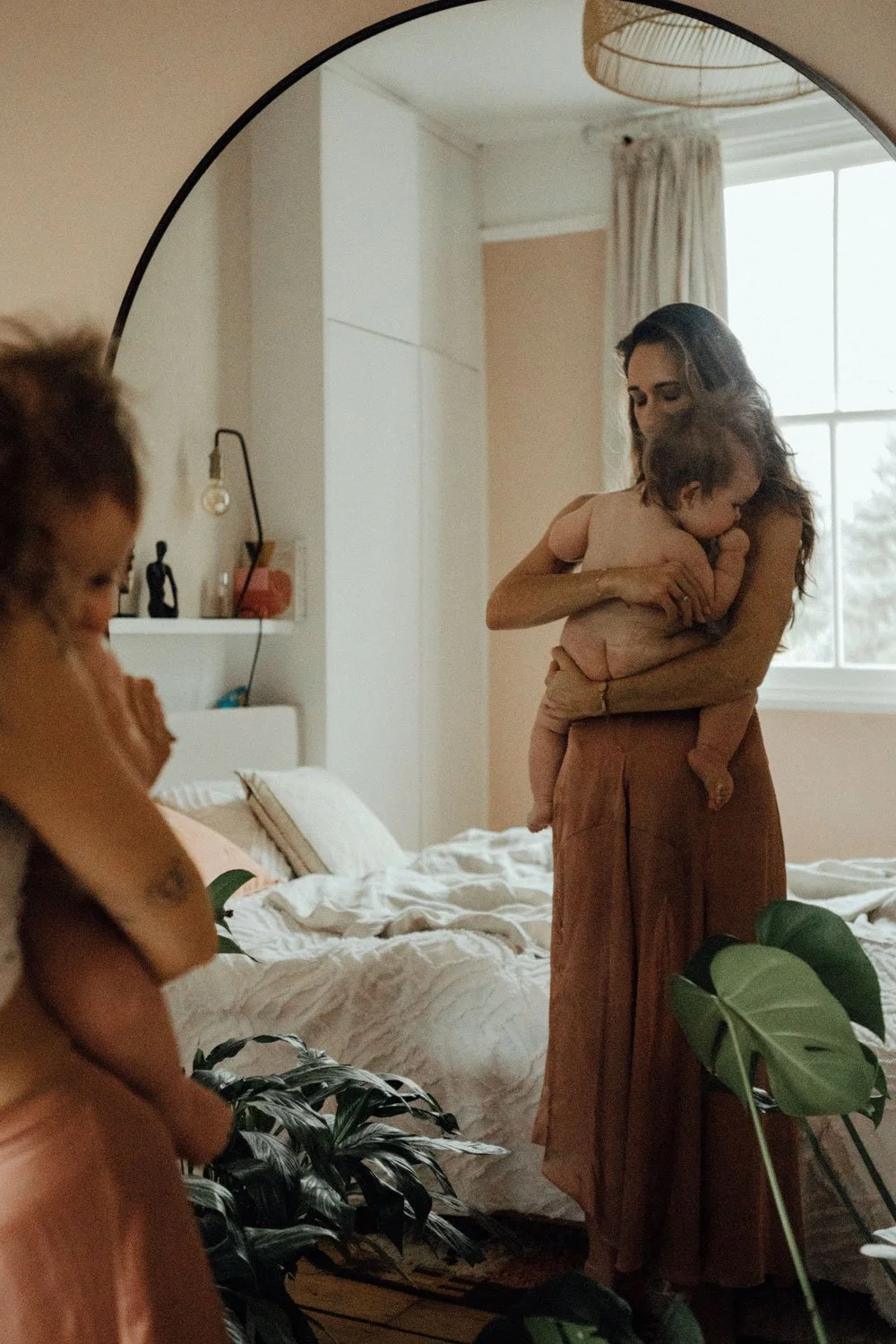
Have We Romanticised a Mother's Selflessness?
There's something about the way we celebrate maternal selflessness that I find increasingly complicated.
We admire mothers who put everyone else first. Who somehow manage everything. Who are always available, always patient, always giving.
And perhaps we don't question often enough what that expectation asks of a woman.
Because there's a difference between choosing to care deeply for someone and feeling that your own needs have become less legitimate.
A mother can be devoted without wanting to disappear into that devotion.
She can find enormous meaning in raising her children without wanting motherhood to be the only thing that gives her life meaning.
And she can love being needed while occasionally wishing someone would notice what she needs.
Perhaps the problem isn't that mothers expect too much from motherhood.
Perhaps, sometimes, we expect too much from mothers.
We expect them to find fulfilment in giving, but don't always make enough room for them to receive.
The Loneliness That Exists Alongside Love
I don't think loneliness in motherhood always announces itself dramatically.
Sometimes it's quieter than that.
It's having spent the entire day talking, but feeling as though you haven't had a proper conversation.
It's being surrounded by people who love you, but wondering whether any of them really know how you're feeling.
It's missing the version of yourself who had time to think, to wander, to be spontaneous, to exist without constantly anticipating someone else's needs.
And sometimes it's feeling guilty for missing those things at all.
Because how do you explain feeling lonely when you have people who love you?
How do you admit that the company of someone you adore isn't always the company you need?
I think we need to become more comfortable with the idea that love and loneliness can exist together.
Not because motherhood is inherently lonely. It isn't, and not every mother will experience it this way.
But because loving someone deeply doesn't remove our need for friendship, independence, intimacy, conversation or a sense of ourselves beyond that relationship.
And perhaps that's what gets lost when we talk about motherhood as though it should be enough to fulfil every part of a woman's life.
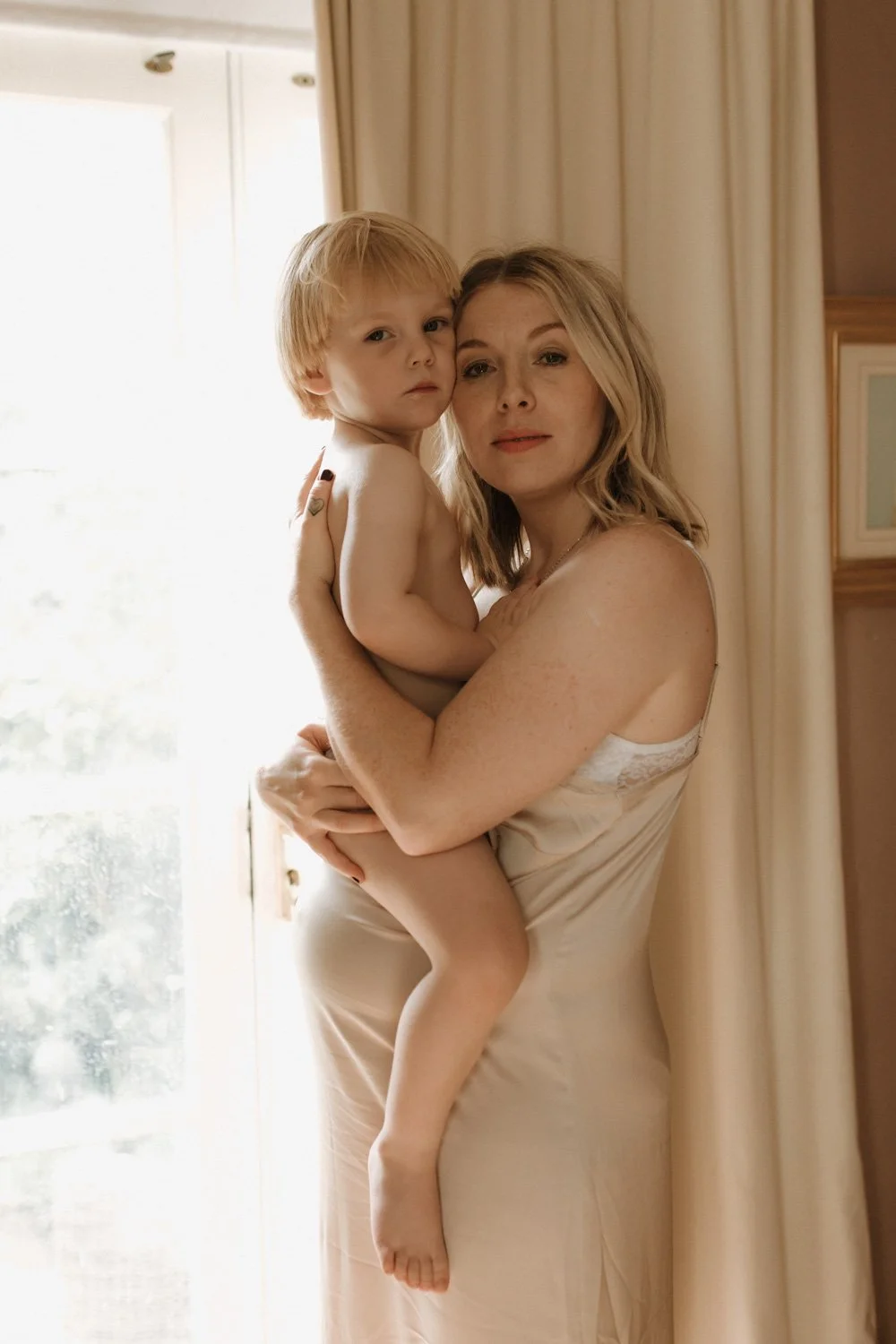
Perhaps We Need a Different Conversation About Motherhood
I don't think the answer is to stop celebrating motherhood.
I think it's to stop presenting love and fulfilment as though they leave no room for anything else.
We can acknowledge the extraordinary intimacy of raising a child while recognising that mothers need connection beyond their children.
We can admire the care women give without assuming they should always be the ones giving it.
And we can make room for mothers to speak about loneliness without treating it as a contradiction of their love.
Because perhaps one of the loneliest experiences of all is feeling that you have no right to be lonely.
And that, I think, is something worth talking about.
About the author
Samantha Black is a London-based newborn, maternity and family photographer whose work explores intimacy, connection and the quieter moments of family life. Alongside her photography, she writes about motherhood, relationships, identity and the experiences we don't always find easy to put into words. Her approach to both photography and writing is unhurried, thoughtful and rooted in the belief that real life is more interesting than perfection.