Sometimes the Child Who Felt Everything Becomes the Mother Who Sees Everything
I've been thinking about the way families understand the person who struggles.
Sometimes, when someone within a family is visibly distressed, it becomes easier to focus on that person's response than to look at what might have contributed to it.
Their sensitivity. Their anxiety. Their tendency to overthink. The fact that they seem to find things difficult that everyone else manages to accept.
And perhaps, over time, that becomes the story everyone tells about them.
They're the sensitive one. The difficult one. The one who takes things too personally.
But I wonder how often we stop to ask what they're actually responding to.
Because there is a difference between being someone who struggles with their emotions and being someone who notices things that other people have learned to overlook.
And sometimes, of course, both can be true.
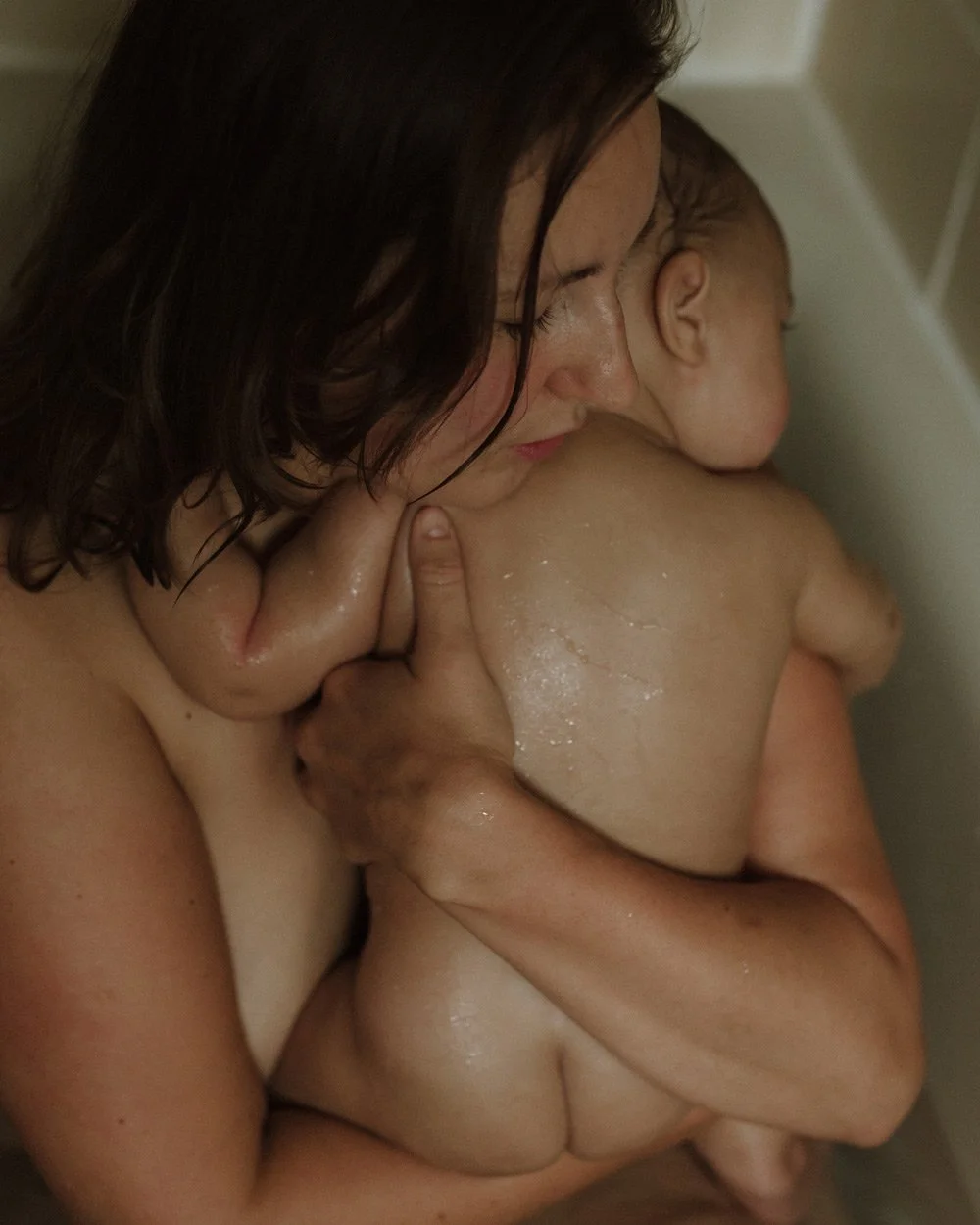
When the response becomes the problem
I know what it feels like to have your response examined more closely than the thing you were responding to.
To try to explain why something hurts, only to find that the conversation becomes about how you've expressed yourself, how strongly you've reacted, or why you can't simply let something go.
And when that happens repeatedly, I think you can begin to question your own understanding of things.
Perhaps I am too sensitive. Perhaps I do think too much. Perhaps everyone else is right and I am making something out of nothing.
But what if some of the things we've learned to accept within families aren't necessarily healthy, simply because they've always been there?
What if certain ways of speaking to one another, dismissing feelings, avoiding difficult conversations or refusing to acknowledge hurt have become so familiar that questioning them feels more uncomfortable than continuing them?
I find that fascinating, because families develop their own understanding of what is normal. And when something has been normal for long enough, the person questioning it can begin to look like the problem.
Not necessarily because they're wrong, but because they're asking everyone to look at something they may not want to see.
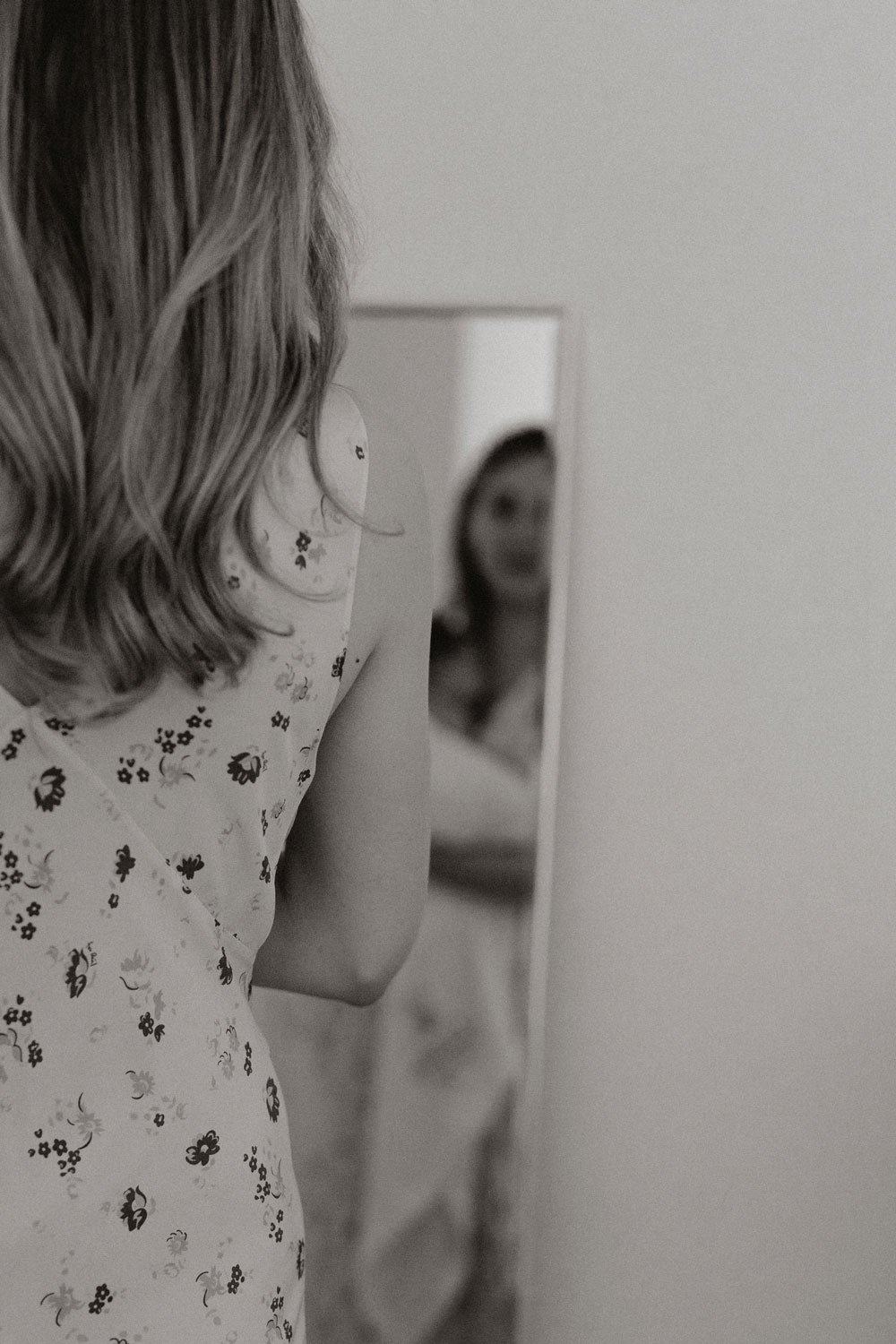
The child who felt everything
Some children seem to experience the world with a particular intensity.
They notice changes in someone's mood. They pick up on tension, what isn't being said, and the difference between what somebody says and how they behave.
Some are naturally sensitive or perceptive. Some are neurodivergent. Others may have become particularly alert to the feelings of people around them because of the environment they grew up in.
And those experiences aren't all the same.
I don't think we should romanticise emotional distress or suggest that anxiety, depression or hypervigilance are somehow gifts. They can be exhausting, and they deserve understanding and proper support.
But I do think we should be careful about reducing a person to the difficulties they experience.
Because somewhere underneath those difficulties is a whole person. Someone with their own understanding of the world, their own observations, their own reasons for feeling as they do.
And I wonder what happens when that child grows up.
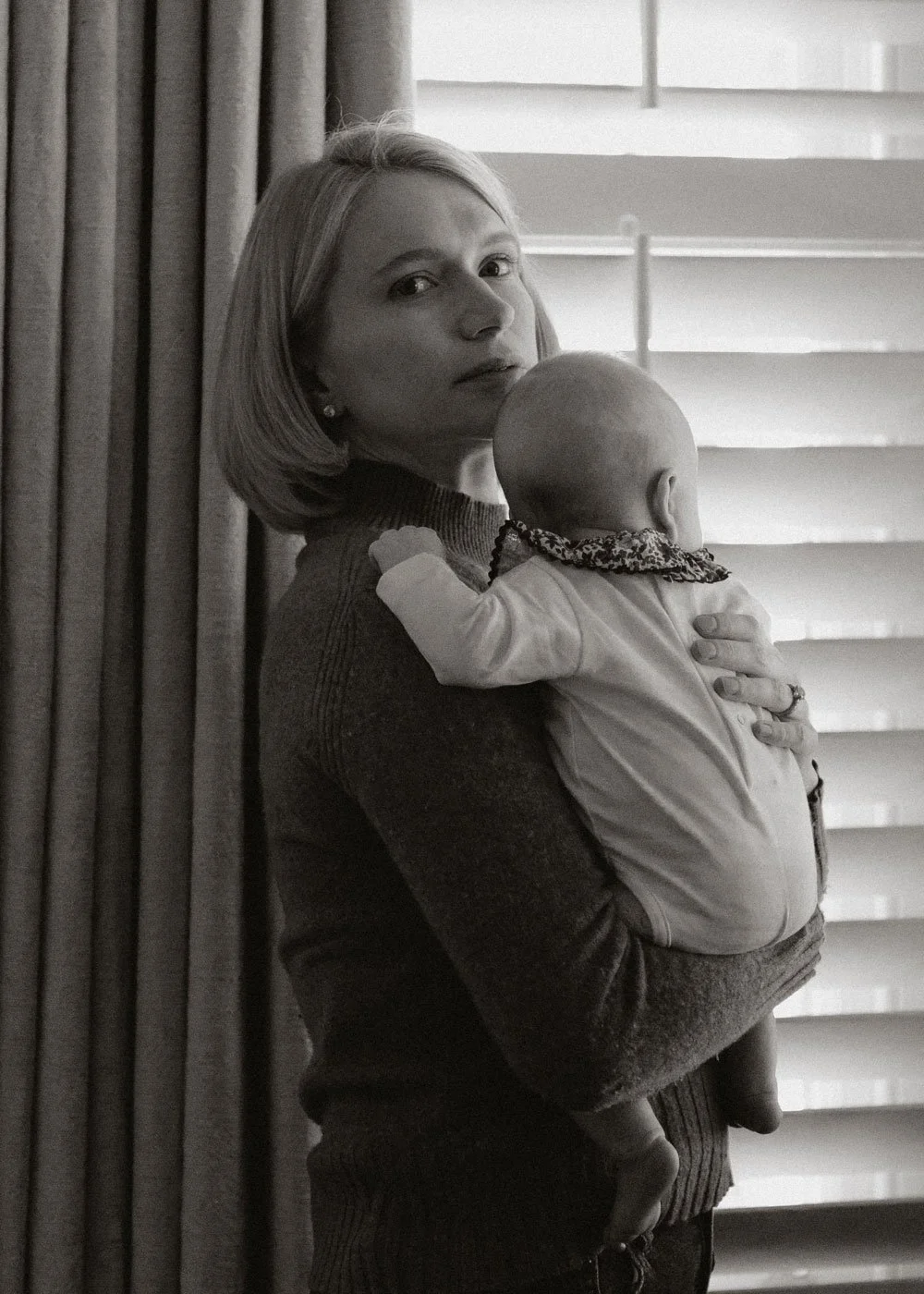
And then she becomes a mother
Perhaps she has a child of her own.
And perhaps some of the things she spent years believing were wrong with her begin to take on a different meaning.
She notices when her child becomes unusually quiet. She wonders what's underneath the anger rather than seeing only the behaviour. She recognises that something which seems insignificant to an adult might feel enormous to a child.
She doesn't always get it right.
She might struggle with her own reactions. She might become overwhelmed, impatient or defensive. She might find herself repeating something she promised she never would.
But perhaps she's also willing to question it.
To come back after an argument and apologise. To ask her child what was really going on. To acknowledge that being the adult doesn't automatically mean being right.
And perhaps that's where something begins to change.
Not in becoming a perfect mother, or in understanding every feeling her child has, but in being willing to see her child as a person whose inner world matters.
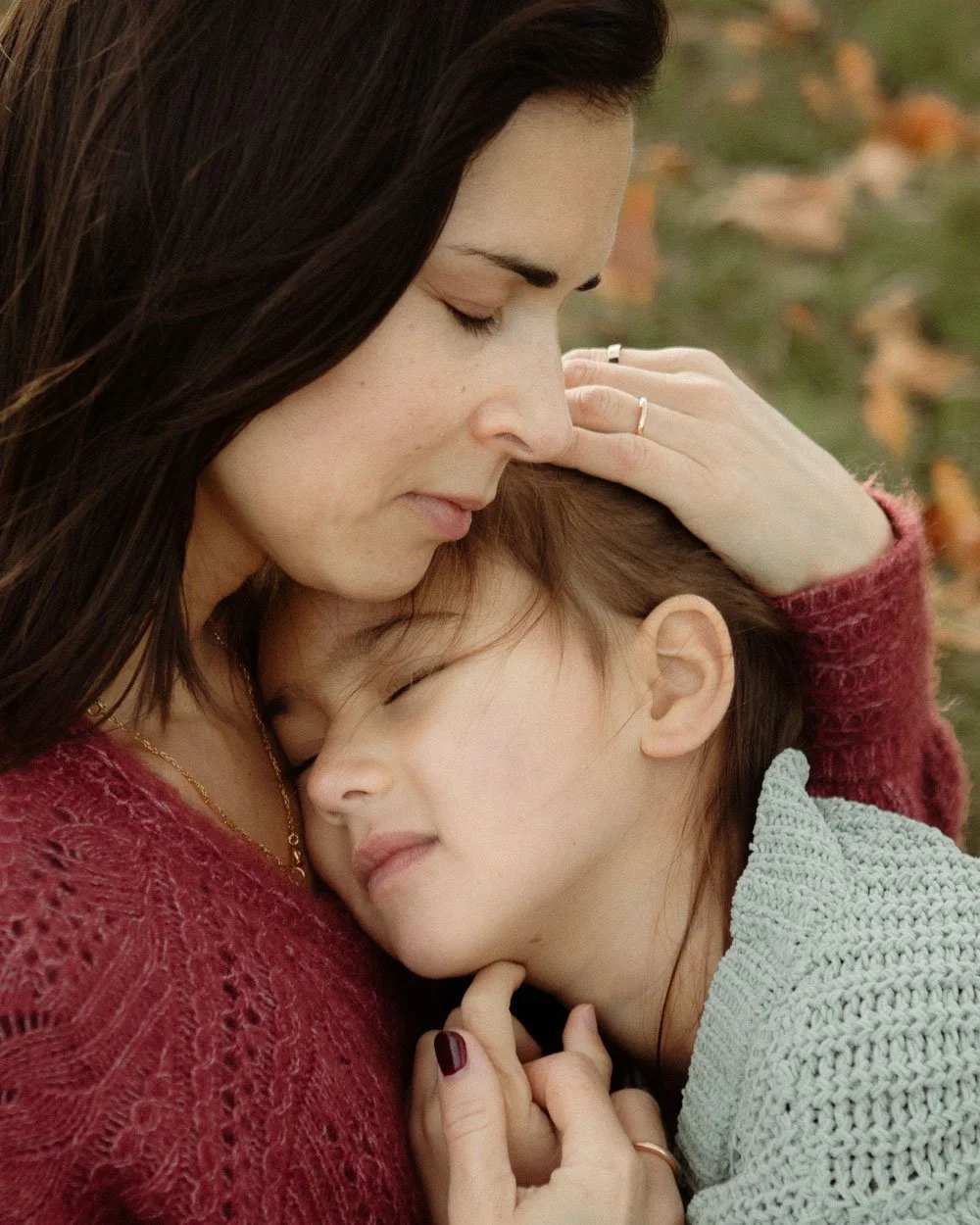
What we choose to carry forward
I think we underestimate how much children learn about relationships simply by living inside them.
They learn what happens when someone is upset. Whether feelings can be spoken about. Whether an apology is something adults offer as well as expect. Whether love leaves room for disagreement, vulnerability and repair.
And they learn these things long before they have the words to describe them.
Which is why I think breaking a cycle is about more than deciding to parent differently.
It's about becoming curious about the things we've inherited. The beliefs, behaviours and expectations that have travelled quietly through generations, sometimes without anybody stopping to question them.
It doesn't mean blaming our parents for everything, or assuming that every difficult experience has a simple explanation.
But it does mean allowing ourselves to look honestly at what has shaped us, and deciding what we want to do with that understanding.
Sometimes the child who felt everything grows up to become the mother who sees everything.
Not because she was born to carry everybody else's pain.
And not because she has all the answers.
But perhaps because she knows what it feels like not to be understood.
And she wants something different for her child.
Perhaps that is where change begins.
Inspired by the words of Stephi Wagner and Dionne Shannette Wood.
Samantha Black is a family, newborn and maternity photographer in London, photographing families honestly, with a particular love for the small, unsaid moments that happen between people.